Pollution Is More Than CO₂
A clear comparison of livestock, cars, ships and commercial aircraft
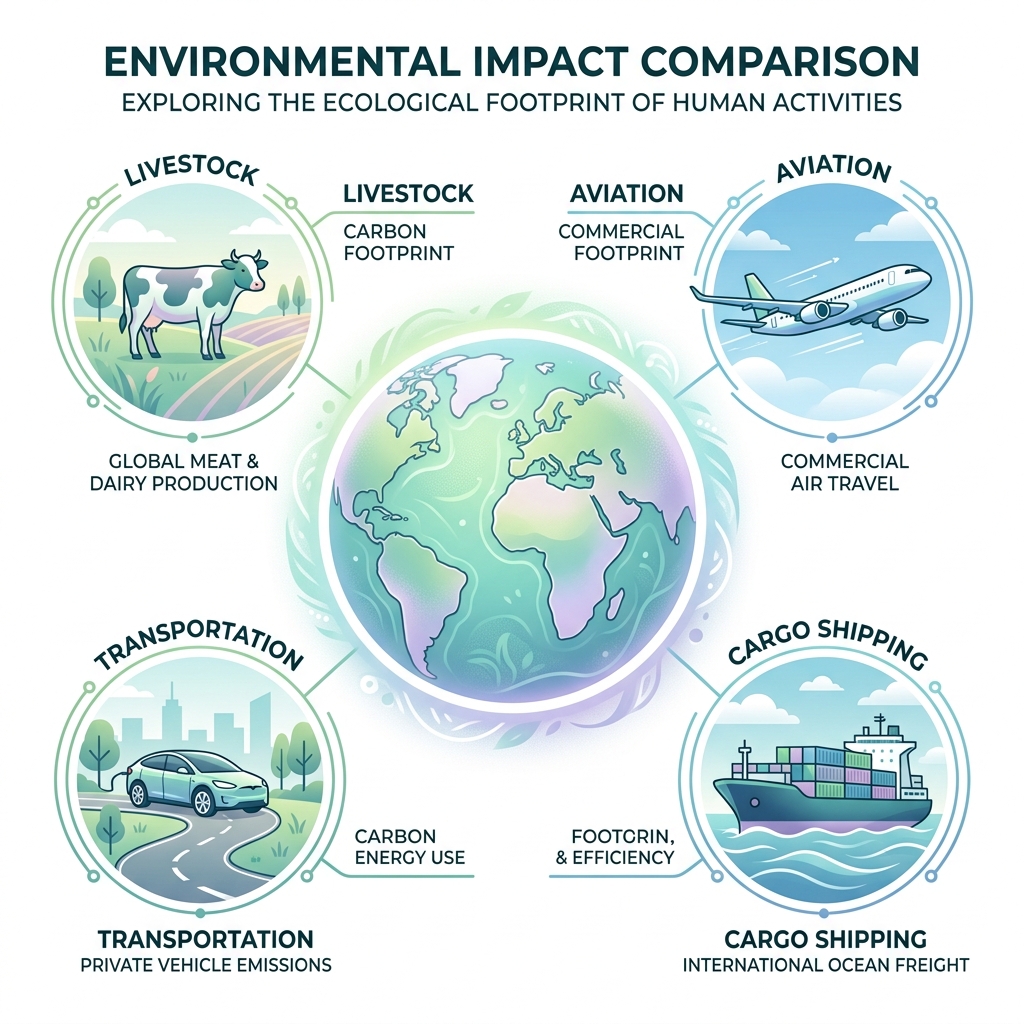
Climate impact: greenhouse-gas emissions
A broader pollution comparison
| Sector | Climate warming | Air pollution | Water pollution | Noise & ecosystem |
|---|
Livestock
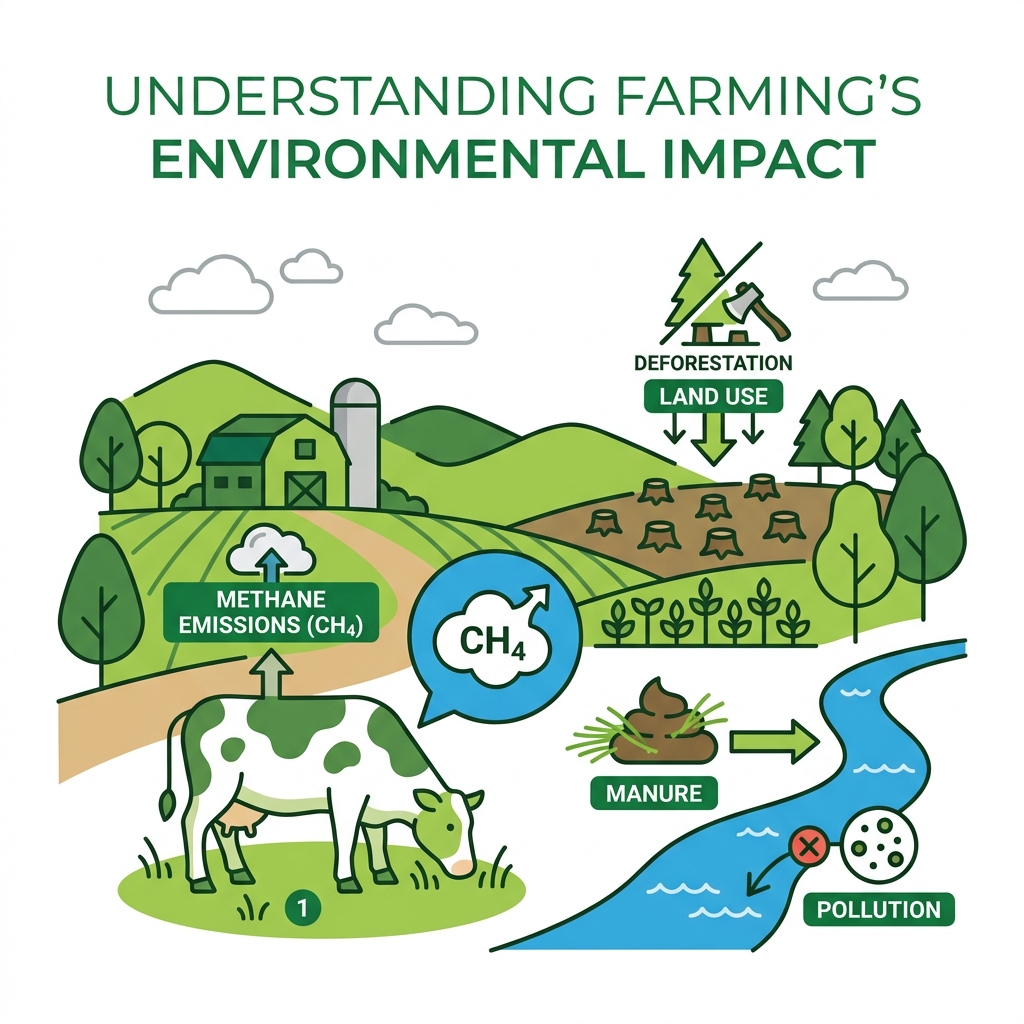
Livestock has a very high climate impact because cattle and other ruminants produce methane, and manure and fertilised soils release nitrous oxide. It is also linked to ammonia emissions, nutrient runoff, water pollution, land use, and biodiversity loss.
Cars & vans
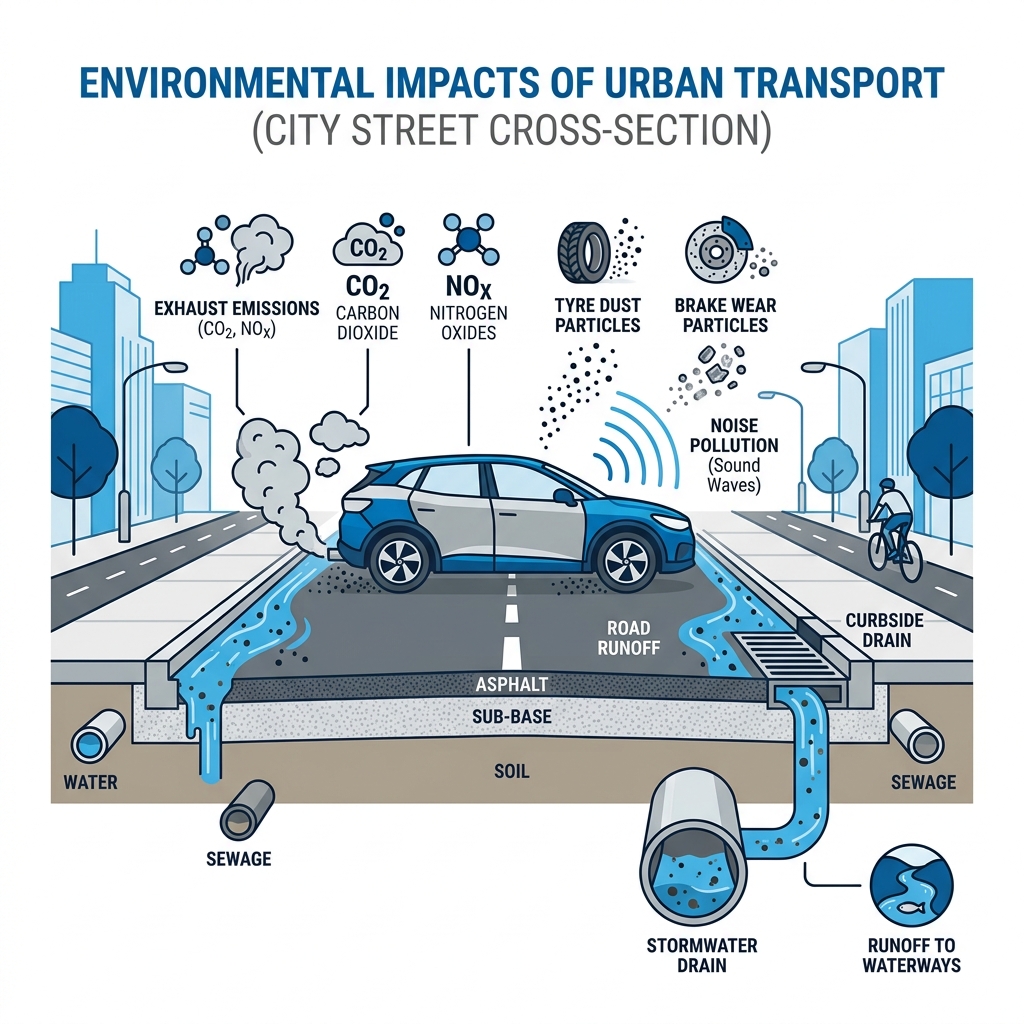
Cars and vans are a major source of climate pollution and urban air pollution. They produce CO₂ from fuel, NOₓ, particulate matter, VOCs, and non-exhaust pollution from tyres, brakes, and road dust. They also contribute to urban noise and road runoff.
Shipping
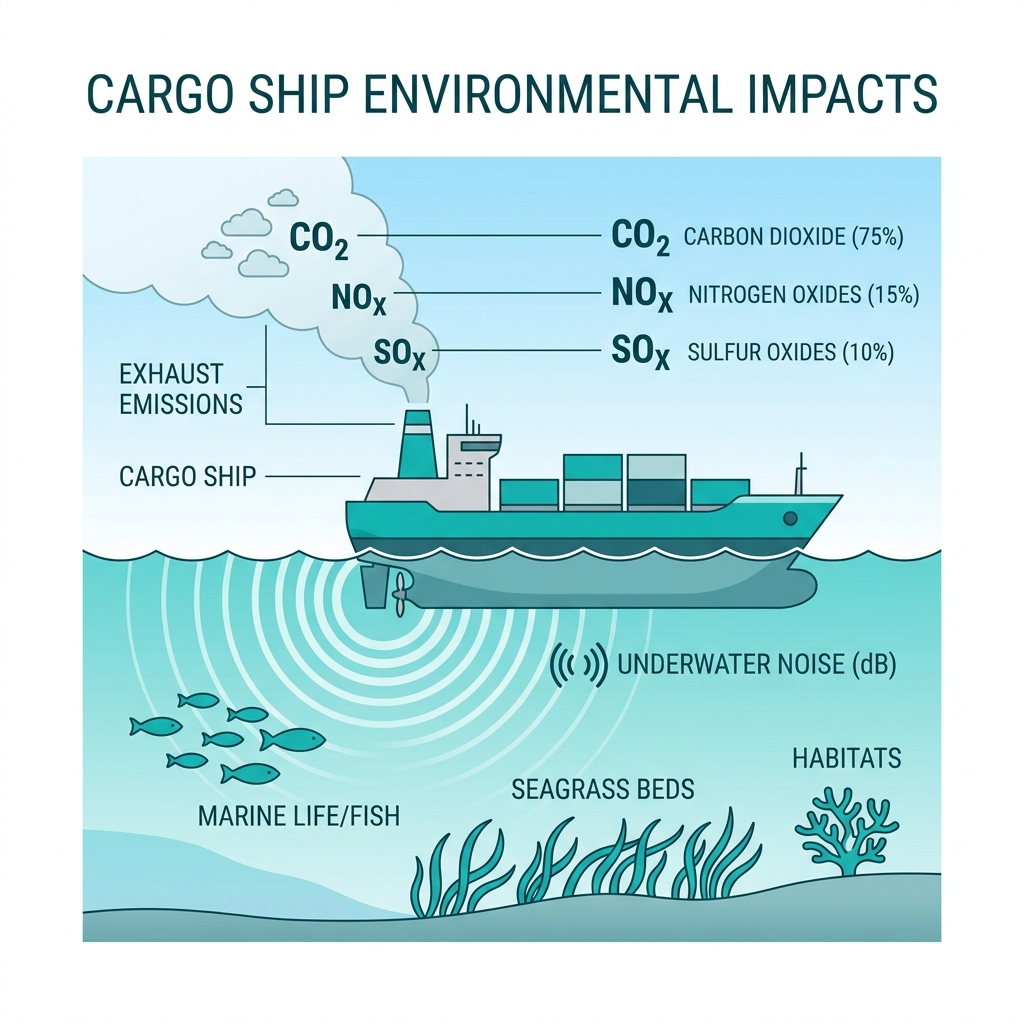
Shipping is relatively efficient per tonne of goods moved, but global shipping is still a major source of CO₂, sulphur oxides, nitrogen oxides, particulate matter, black carbon, underwater noise, and marine pollution risks.
Commercial aviation
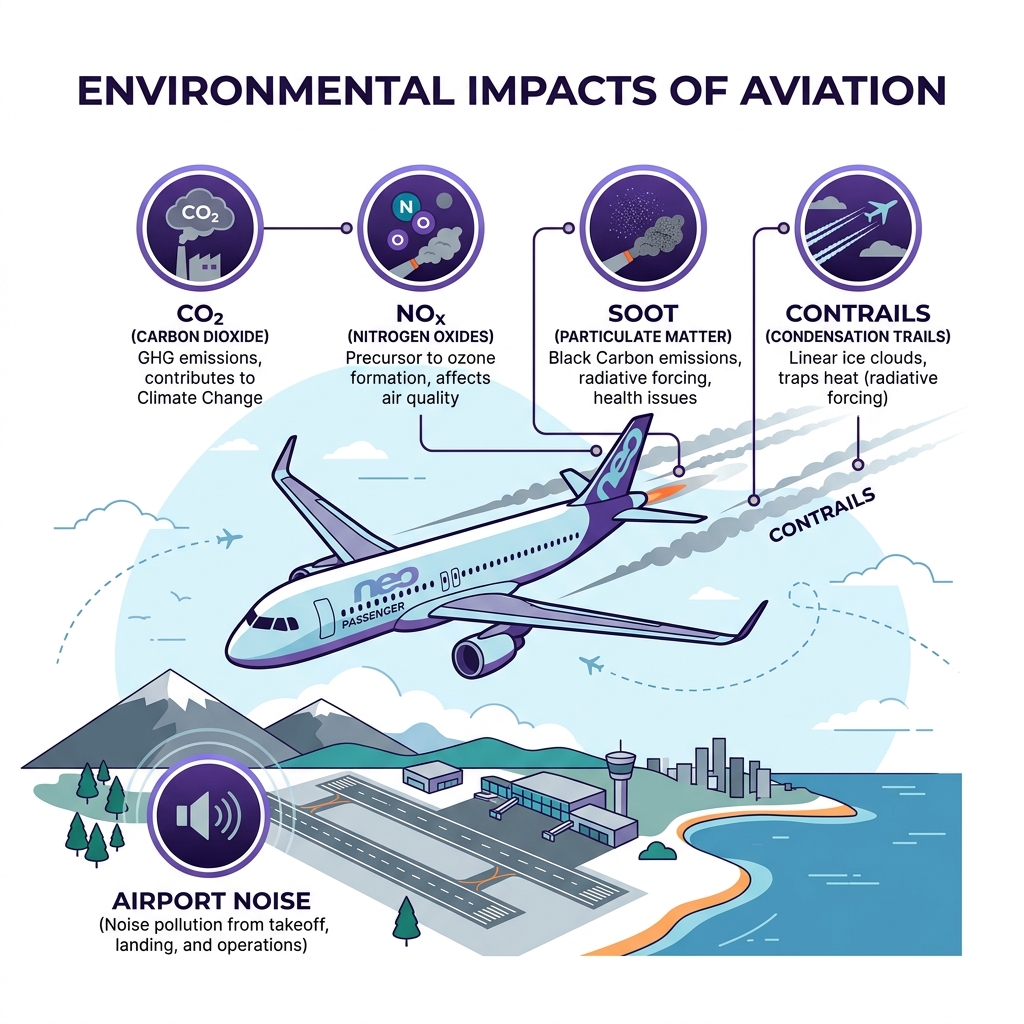
Commercial aviation has lower total mass emissions than livestock or cars, but it still matters. Aircraft emit CO₂, NOₓ, soot and water vapour, and contrails can add non-CO₂ warming. Airports also create local noise and air-quality impacts.
The honest summary
"Livestock and cars are the heaviest overall polluters in this comparison, but in different ways. Livestock stands out for methane, ammonia, manure runoff and land use. Cars dominate everyday urban air pollution. Ships are especially important for sulphur, nitrogen oxides and marine pollution. Aircraft are smaller in total mass emissions, but still matter because of NOₓ, contrails and airport noise."